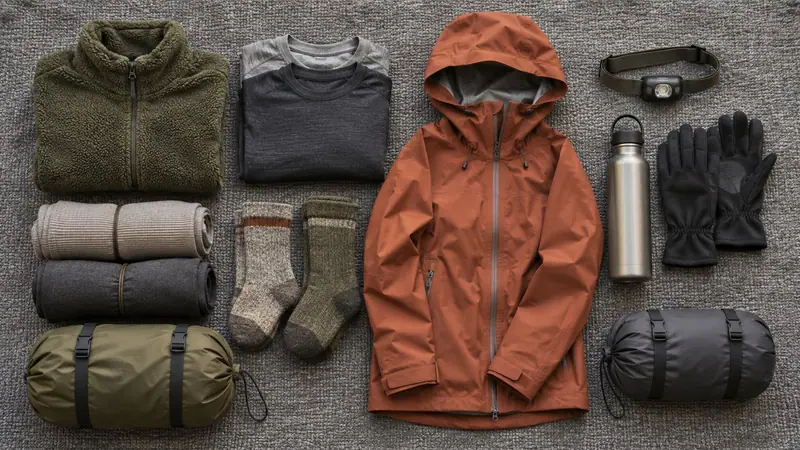
How to Choose Trekking Shoes and Boots
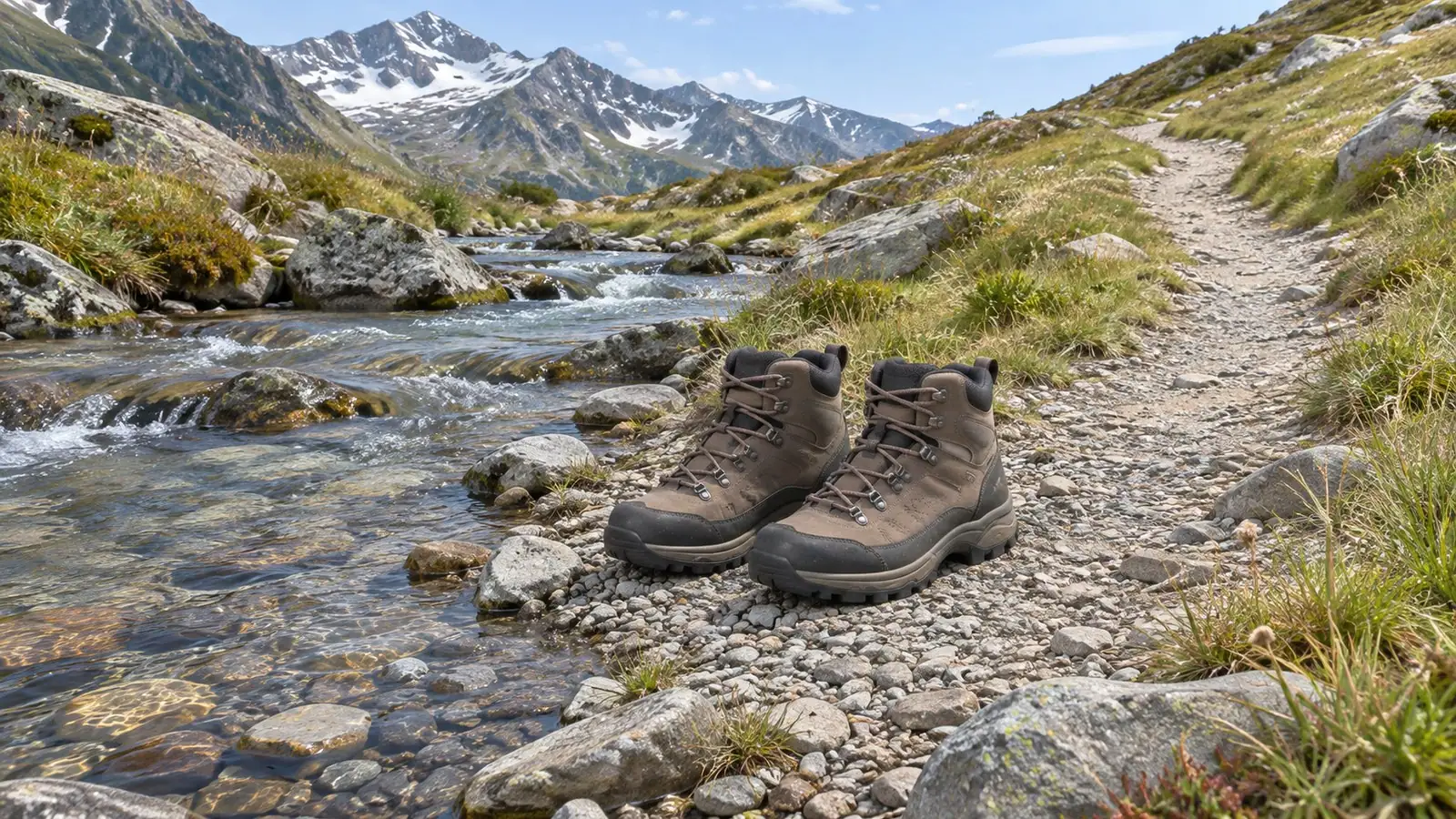
Who this guide is for
For first-time and early trekkers in Bangladesh buying footwear for hill trails or Nepal.
If you are about to buy your first pair of trekking footwear for a trek in Bandarban, Sajek or Nepal, this guide is for you. Our earlier post, Trekking Shoes or Sports Shoes?, explains why ordinary sports shoes are a weak choice. Here we go one step further and look at what to check when you buy a trekking shoe or boot.
Eight things to check when choosing footwear
Eight criteria, each with a plain explanation.
1. Type: boot, hiking shoe or trail runner. CleverHiker says boots give more ankle support, stability and water protection than hiking shoes or trail runners, but they are the heaviest. Hiking shoes sit in the middle. Trail runners are lightweight and breathable. GearLab says hiking boots suit packs over about 30 lb (about 13.6 kg), very uneven or off-trail ground and multi-day trips, while hiking shoes suit loads up to roughly 20 to 30 lb. AMC says trail runners are generally a safe choice on gentle to moderate terrain with a light pack and strong, injury-free ankles. (Source: CleverHiker, GearLab, AMC)
2. Waterproof or not. Waterproofing comes from a membrane such as Gore-Tex, or a brand’s own version. AMC says this provides waterproofness at the expense of ventilation. Switchback Travel says waterproof shoes can hold sweat, and mesh shoes drain and dry faster after a creek crossing, so its authors favour non-waterproof shoes for summer. GearLab says waterproof is the safer choice for consecutive days or long hikes where the weather may change, and non-waterproof suits drier climates. Both choices have a cost, so pick on purpose. (Source: AMC, Switchback Travel, GearLab)
3. Fit. GearLab says to try shoes on in the afternoon, because feet swell during the day, and to wear the socks and insoles you plan to use. Your toes need room to spread and should not hit the front on downhills. The heel should not lift, since even slight lift can cause blisters. Brand widths differ, so check each model. (Source: GearLab)
4. Upper material. Switchback Travel says full-grain leather is heavy and stiff and needs a lot of break-in. Nylon and mesh are lighter and more breathable and need little or no break-in. Thin nubuck leather adds durability and water resistance without much weight. (Source: Switchback Travel)
5. Midsole. GearLab says EVA is the most common midsole. It feels soft and needs little break-in, but it packs down over time, which shortens the life of the shoe. Polyurethane feels firmer than EVA. AMC adds that torsional rigidity, meaning how stiff the shoe is against twisting, matters most for stability, and ankle collar height matters less. (Source: GearLab, AMC)
6. Outsole and lugs. GearLab says hard rubber grips best on dirt, while softer rubber grips better on rock but wears faster. Deeper, widely spaced lugs hold better on steep or loose trails, and mud-shedding lugs help in soft, muddy ground. Switchback Travel says trail runners can clog with mud. We did not find a sourced depth in millimetres, so we give none. (Source: GearLab, Switchback Travel)
7. Weight. AMC says most trail runners weigh 18 to 24 oz per pair (about 510 to 680 g), and midweight boots about 2 to 3 lb per pair (about 0.9 to 1.4 kg). GearLab says moving weight on your feet costs more energy than carrying it on your back. (Source: AMC, GearLab)
8. Lacing and break-in. Switchback Travel says a poor lacing system can spoil even a well-fitting boot if it does not pin the heel in place. It also says leather boots need a meaningful break-in period, and boots that are not broken in can cause blisters. (Source: Switchback Travel)
Think it through for your own trip
Questions to ask for your own route. We have no sourced advice for specific regions.
We have not found sources that let us give separate footwear rules for the hills of Bangladesh or for Nepal. So we are not writing seasonal rules here. Ask yourself these questions instead.
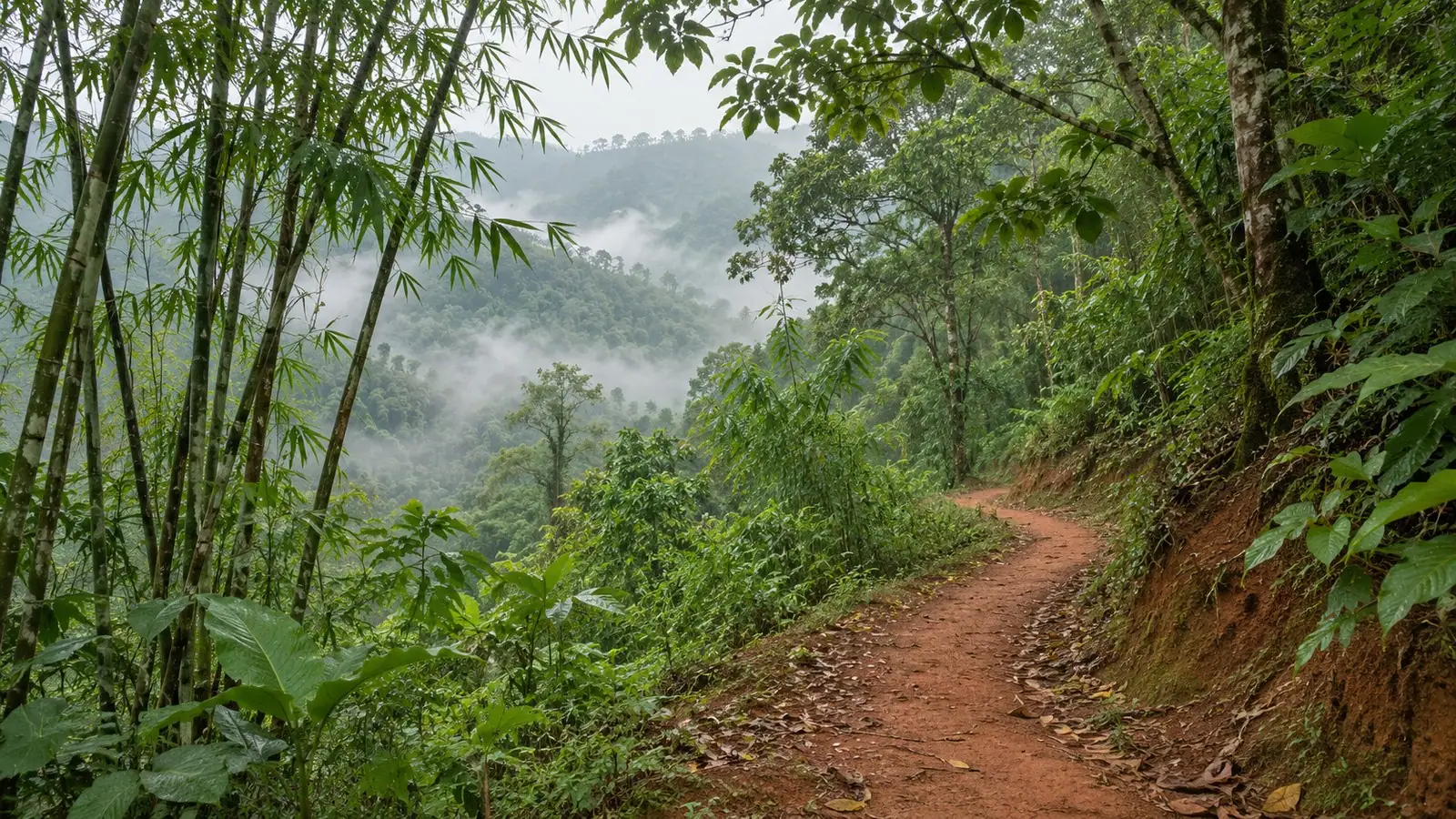
- Will you cross streams or walk through mud for long stretches? Look again at criteria 2 and 6.
- How heavy will your pack be? Compare it with the load ranges in criterion 1.
- Will you walk on snow? GearLab lists boots as the better fit for spring or summer snow. Check conditions for your own route.
- How many months before the trip can you buy? Leather needs time to break in (criteria 4 and 8).
Mistakes you might make
Common beginner mistakes.
- Trying shoes on in the morning, or with thin socks you will not wear on the trail. GearLab says to try them on in the afternoon with your real socks.
- Taking brand-new boots on the trek without breaking them in. Switchback Travel says this can cause blisters.
- Assuming waterproof means dry feet. AMC says waterproofing comes at the expense of ventilation, and Switchback Travel says waterproof shoes can hold sweat.
- Choosing by weight alone. GearLab says very light shoes may lack support.
- Ignoring wear. CleverHiker puts boots at around 1,000 trail miles, hiking shoes around 750, and trail runners about 500. These are approximate figures from one source, not a guarantee for any model.
What to check before you buy
What to check before you buy.
- Decide your pack weight and the kind of ground, then pick the type (criterion 1).
- Decide whether you want a waterproof membrane, and note the trade-off (criterion 2).
- Try them on in the afternoon with your own socks and insoles (criterion 3).
- Check that the heel stays put and the toes have room on a downhill.
- Check the upper material and think about break-in time.
- Check the sole: rubber type, lug depth and spacing.
- Read the seller’s return policy before you buy, so you can return the pair if the fit is wrong.
- Check the day’s price on Daraz. We do not write prices here.
Quick checklist
Short checklist.
- Footwear type matches pack weight and terrain
- Waterproof or non-waterproof decided on purpose
- Tried on in the afternoon with real socks
- Heel does not lift, toes have room
- Break-in time planned
- Lugs suit the ground
- Return policy read
Frequently asked questions (FAQ)
Four common questions.
1. Can I trek in trail runners? AMC says trail runners are generally a safe choice on gentle to moderate terrain with a light pack and strong, injury-free ankles. Boots give the most ankle support. Decide by your pack weight and your route.
2. Waterproof boot or mesh shoe? Switchback Travel favours non-waterproof shoes for summer because mesh drains and dries faster. GearLab says waterproof is the safer choice when weather may change over several days. Neither source is specific to Bangladesh.
3. When should I buy? Early enough to break them in. Switchback Travel says leather boots need a meaningful break-in period, and synthetic designs need little or none.
4. What socks should I wear? GearLab says to wear the hiking socks you plan to use when you test the fit. It says wool suits cold feet and synthetic wicking socks suit warm feet.
Weather and trail conditions change. Before you go trekking, check the current weather and trail conditions (check current conditions).
Caution: A listing title alone cannot confirm the brand, the model, or how the gear will perform. Match the exact model and specifications against the manufacturer’s information. Check who the seller is and whether the product can be returned. If the details do not match, or you cannot verify a claim that matters for safety, do not buy from that listing.
Sources (opened 2026-11-27)
- CleverHiker, Hiking Boots vs. Hiking Shoes vs. Trail Running Shoes (last updated September 18, 2026): https://www.cleverhiker.com/footwear/hiking-boots-vs-hiking-shoes-vs-trail-runners/ (support, weight, waterproofing by type, approximate trail miles)
- OutdoorGearLab, How to Choose Hiking Shoes for Women (April 25, 2025): https://www.outdoorgearlab.com/topics/shoes-and-boots/best-hiking-shoes-womens/buying-advice (types and load ranges, waterproofing, fit, EVA and PU midsoles, outsole and lugs, weight)
- Switchback Travel, Backpacking Footwear Tips and Advice (last updated August 26, 2026): https://www.switchbacktravel.com/info/backpacking-footwear (lacing, upper materials, waterproof membranes, break-in)
- Appalachian Mountain Club, Hiking Boots vs Trail Runners: Best Footwear for the Backcountry (no date shown on page): https://www.outdoors.org/resources/amc-outdoors/outdoor-resources/hiking-boots-vs-trail-runners-which-is-the-best-footwear-for-the-backcountry/ (terrain suitability, torsional rigidity, weights, Gore-Tex and ventilation)
- Unit conversions: 30 lb = 13.6 kg; 18 oz = 510 g; 24 oz = 680 g; 2 lb = 0.9 kg; 3 lb = 1.4 kg (rounded)
- REI Expert Advice was not used: its pages could not be opened by our research tool, so no claim here is attributed to REI.
If you spot a mistake, tell us at hello@mellowslife.com. We correct it on the page itself and add the date.
Related: gear notes Summer hiking/aqua shoes (Rax) and Winter snow boots listed as hiking boots; guides How to Choose a Trekking Backpack and Gear checklist.