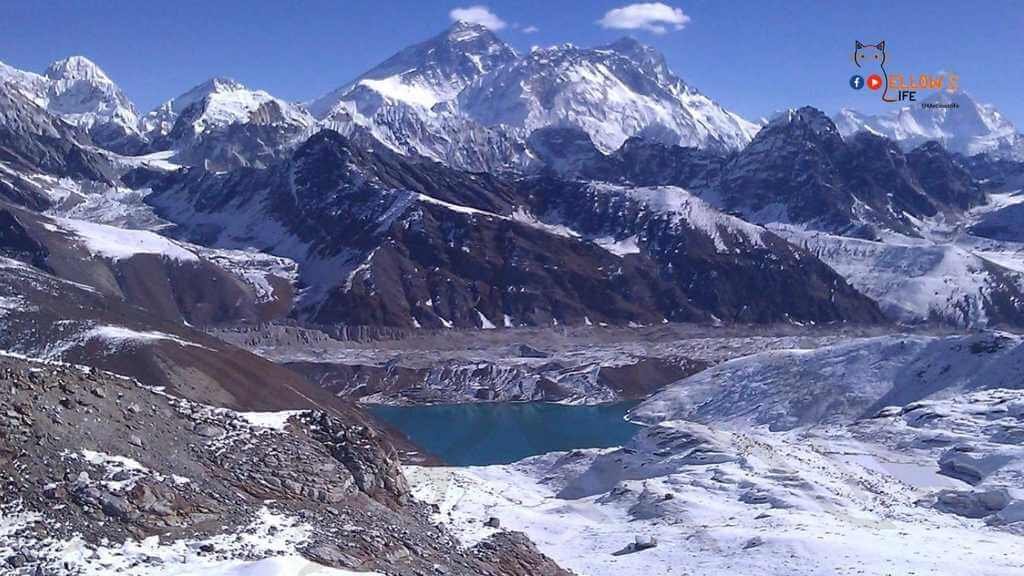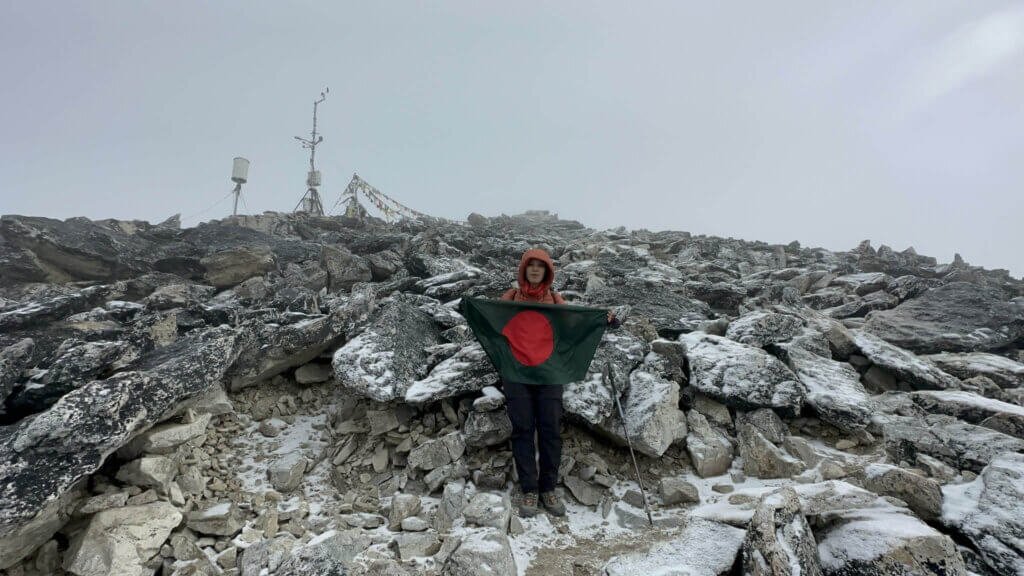

Packing for the Everest Base Camp trek is a bit of an art. Carry too much and every uphill step feels heavier; carry too little and you’ll be shivering at 5,000 metres wishing you had packed that extra layer. After our own journeys into the Khumbu, we have learned exactly what earns its place in the backpack and what you can happily leave behind.
Here is our complete, season-tested EBC packing list, broken down so you can tick off each item with confidence before you fly to Lukla.
Layer Up: Your Clothing System
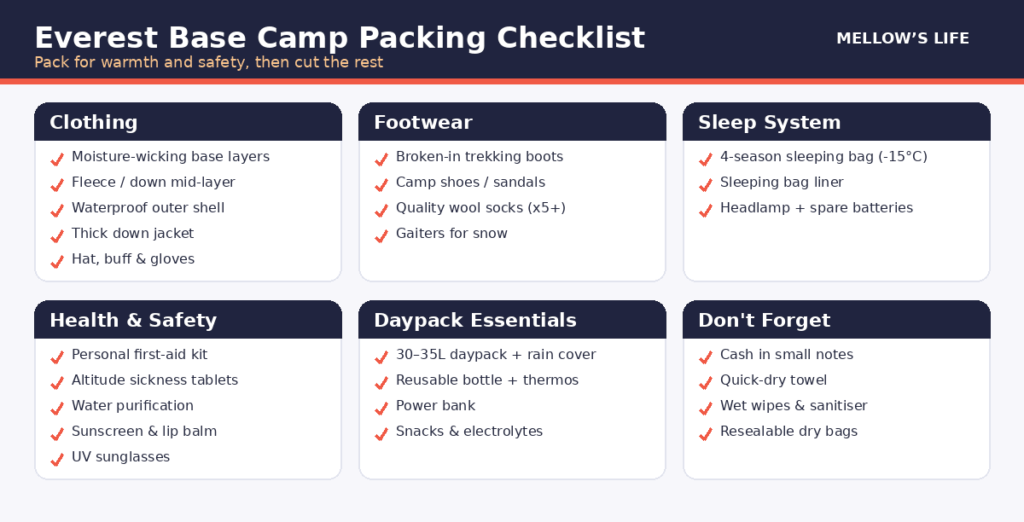
The secret to staying comfortable on the trail is layering. Pack moisture-wicking base layers (never cotton), a warm fleece or down mid-layer, and a waterproof, windproof outer shell. Add a thick down jacket for the freezing mornings above Dingboche, trekking trousers, thermal leggings, and plenty of warm socks. Don’t forget a warm hat, a sun hat, a buff, and insulated gloves.
Happy Feet: Footwear That Won’t Let You Down
Your boots will make or break this trek. Bring sturdy, well-broken-in trekking boots with good ankle support, and never wear brand-new boots on the trail. Pack a pair of lightweight camp shoes or sandals for the evenings, gaiters if you expect snow, and more pairs of quality hiking socks than you think you’ll need.
Sleep Warm: Gear for Teahouse Nights
Teahouses provide a bed and a blanket, but nights get bitterly cold high up. A four-season sleeping bag rated to at least minus 15 degrees Celsius is worth its weight in gold. A sleeping bag liner adds extra warmth and keeps things hygienic, and a headlamp with spare batteries is essential for those pre-dawn summit starts.
The Backpack and Daypack Combo
Most trekkers carry a daypack of around 30 to 35 litres for daily essentials while a porter carries the larger duffel bag. Make sure your daypack has a rain cover and a comfortable hip belt. If you are carrying everything yourself, keep your total pack weight as light as you sensibly can, because every kilo feels heavier at altitude.
Health and Safety Essentials
Build a small personal first-aid kit with blister plasters, painkillers, rehydration salts, and any personal medication. Talk to your doctor about altitude sickness tablets before you travel. Pack a water purification method such as tablets, drops, or a filter, along with high-SPF sunscreen, lip balm, and sunglasses with strong UV protection, because the glare off the snow can be intense.
Don’t Forget the Little Things
It is the small items that often save the day: a power bank for charging on cold nights, a reusable water bottle and a thermos, a quick-dry travel towel, wet wipes and hand sanitiser, some snacks and electrolytes, and a few resealable bags to keep electronics dry. Carry cash in small notes, because card machines simply don’t exist high up in the mountains.
A Final Word on Packing Smart
The golden rule is simple: pack for warmth and safety first, then cut everything else. You will be amazed how little you actually need once you are on the trail, and how much you appreciate a lighter load on the climb to Base Camp. Lay everything out, be honest about what you’ll really use, and your back will thank you later.
Read More
Everest Base Camp Trek: The Complete Guide for First-Time Trekkers
10 Expert Trekking Tips That Beginner Trekkers Must Know
Essential Photography Gear for Trekkers to Capture the Magic of Mountains